La OMC contribuye a la actualización de la clasificación aduanera para mejorar la capacidad de respuesta ante emergencias sanitarias
The HS is the global customs standard used to classify traded products, set tariffs and compile comparable trade statistics. These amendments will enter into force on 1 January 2028 (HS 2028) and will create, for the first time, new 38 dedicated customs codes for vaccines and other essential medical goods, such as facemasks and personal protective equipment, ambulances and mobile clinics.
The enhanced visibility for vaccine-related and other essential medical goods will help governments implement more targeted trade policy measures during future health emergencies – including tariff exemptions, faster customs clearance and other facilitation tools – while also improving long-term monitoring and policy planning.
These extra details in the classification will allow the international community to better map and understand the supply chains behind the trade flows in these critical products. Previously, vaccines were classified in just two categories (human and veterinary), making it difficult to monitor and analyze trade in this area.
Several of the HS 2028 changes are the result of discussions which originated in the WTO Committee on Market Access on trade in COVID-19 essential goods and lessons learned from the pandemic. The outcome of those discussions were communicated to the WCO in 2022. Members noted that gaps in HS classifications for essential medical goods had delayed targeted trade and customs measures thus hampering pandemic responses. The subsequent work resulting from the innovative WCO-WTO-WHO partnership to improve vaccine classification illustrates how multilateral cooperation addresses global challenges and shapes international standards.
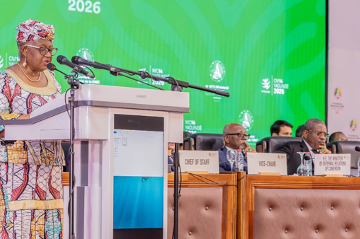
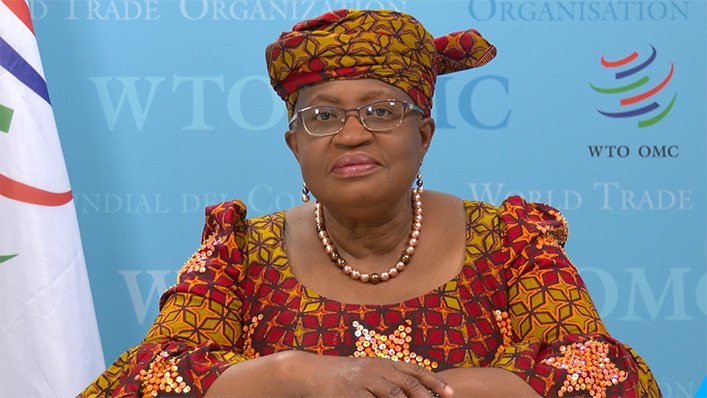
WTO Director-General Dr Ngozi Okonjo-Iweala said: “This update to the Harmonized System illustrates how technical work and collaboration through multilateral organizations can help governments deliver tangible benefits for people and businesses around the world.
Originating in COVID-era discussions in the WTO Committee on Market Access, which revealed that existing classification categories lacked sufficient detail with respect to goods needed during health emergencies – such as vaccines, personal protective equipment, and mobile clinics – the new modifications will equip policymakers with more precise tools to respond to future crises, notably by fast-tracking the importation of vaccines and other essential medical goods. They will enable better trade statistics and supply chain monitoring, which will contribute to better crisis preparedness. Collaboration between the WCO, the WHO, and the WTO was critical in making the changes possible.”
WCO Secretary-General Ian Saunders, said: “This positive change to the Harmonized System allows for a greater understanding of vaccine availability and opens more opportunities for facilitated clearance of urgently required vaccines and medical equipment. It is a tangible contribution from Customs to global development, the protection of society, and the ability of governments to respond effectively to future urgent demands. As these changes specifically cover vaccines against diseases that pose endemic or pandemic threats, they reflect recognition of the need to be prepared in advance for major risks as well as the positive role Customs can play in protecting the security and welfare of societies.”